
Signs of substance abuse may include changes in behavior, mood swings, and neglect of responsibilities. Indicators of domestic violence can include unexplained injuries, changes in behavior, and fearfulness around the partner. Substance abuse and domestic violence can disrupt family life, leading to unstable home environments for children and other family members. Children who witness violence are at risk of developing emotional and behavioral problems, which can affect their long-term well-being.
The Significance of Examining Substance Abuse and Domestic Violence
Different psychotherapy methods may be employed to address any co-occurring mental health issues. Additionally, there are different levels marijuana addiction of care available, depending on the severity of the situation. Domestic violence is the intentional physical, psychological, emotional or sexual abuse of a partner or family member upon another. This article provides a detailed look at how substance abuse impacts domestic violence cases and outlines legal defense strategies that emphasize recovery and rehabilitation over punishment.
- Continued expansion of trauma-informed, low-barrier services is vital, especially those that recognize the interplay of substance abuse and interpersonal violence.
- Integrated care, which addresses both substance abuse recovery for survivors and the trauma of domestic violence, offers the best path to long-term healing.
- Providing survivors with trauma counseling or offering offenders cognitive-behavioral therapy alongside substance abuse treatment improves overall outcomes.
Health Implications: Substance Abuse in the Context of Domestic Violence
Our research is exploring how these two highly siloed sectors can work together, in the form of a 17-week group program for fathers who used violence and abuse in the context of substance use. These men had more significant histories of violence and abuse than men in a similar program targeting violence only. On a basic level, children are terrified when they hear their father come home drunk and abusive.
Signs of Domestic Violence
To explore additional treatment options, you can view editorially selected providers on our site or visit the SAMHSA Treatment Locator. AddictionResource.net, and its parent company Recovery Guide LLC, is not a treatment provider and does not offer medical advice or clinical services. Women who have experienced IPV are nearly three times more likely to be diagnosed with major depressive disorder. Socioeconomic pressures, especially unemployment and housing instability, can create an environment where both addiction and violence flourish. By examining data-driven trends, policymakers, service providers, and the public can better allocate resources and develop coordinated responses. Teaching communities about this connection, training other professionals to recognize warning signs, advocating for policies that address both issues together, and working to reduce stigma so families feel more comfortable seeking help all represent important prevention efforts.

To numb these overwhelming emotions, some individuals may seek relief in drugs or alcohol, which provide temporary escape and relief from their suffering. substance abuse and domestic violence Over time, this coping mechanism can turn into dependence and then addiction, as the body and mind become reliant on substances to manage distress. Domestic violence and substance abuse often intertwine, creating a complex and harmful cycle that affects survivors, abusers, and their families. Understanding the connection between addiction and intimate partner abuse is essential to breaking this pattern and fostering healing. For survivors, navigating these challenges can feel overwhelming, especially when compounded by co-occurring trauma.
Substance Abuse and Domestic Violence: Understanding the Connection
The issues created by their habit — like financial stress, neglect of responsibilities, or legal problems — may lead to fighting with their partner, and then to take the stress off, they may drink or use more drugs. Additionally, the stress of the abuse might cause victims to turn to drugs or alcohol as coping mechanisms. With integrated, trauma-informed treatment, safety planning, and compassionate support, people recover from both domestic violence and substance use. When you’re ready, The Recover can help you take the next step toward safety and sustained healing. Research from the Centers for Disease Control and Prevention (CDC) shows that people living in homes with domestic violence are significantly more likely to develop substance use problems compared to those in non-violent relationships.
- They can provide the tools and resources to take charge of your life and stay safe.
- At Recovery Guide, our mission is to connect as many individuals struggling with mental health and substance abuse disorders to reputable treatment facilities.
- Participants looking to mitigate personal culpability for their crimes may have attempted to exaggerate their substance use history.
- And blaming violence on a person’s addiction—whether they’re the survivor or the perpetrator—removes the abuser’s responsibility.
Address Underlying Issues

Alcohol use disorder (AUD) is one of the leading causes of the global burden of disease and injury (WHO), despite the continuous discovery of novel pharmacotherapeutic agents (Pakri Mohamed et al., 2018). Various factors such as environmental, social, situational, and cultural context have distinctive consequences toward substance use and its effects on individuals (Latkin et al., 2017). Violence related to substance use has been widely reported and studied, particularly the potential for violent outcomes between the different substances of use (Duke et al., 2018). Studies from various countries have reported crimes and domestic violence owing to alcohol (Hagelstam and Häkkänen, 2006; Mayshak et al., 2020), especially during the recent state of global coronavirus disease 2019 (COVID-19) pandemic (Finlay and Gilmore, 2020). Given the severity of substance use in the current sample and the time frame during which behaviors were assessed, it is also quite likely that abuse and dependence had been a chronic problem and had contributed to the degradation of multiple life domains.
All calls are confidential, and the information on AddictionResource.com is for informational purposes only and not a substitute for professional medical advice. They will make victims understand that things will be different this time, and one must be available to help them. In this stage, the abuser will start collating all the wrongdoings and look for a way to make a victim pay. Founded in 2014, Addiction Resource provides free support and guidance for addiction recovery. Learn how much rehab in Malibu costs, factors affecting price, and what you can expect from treatment centers.
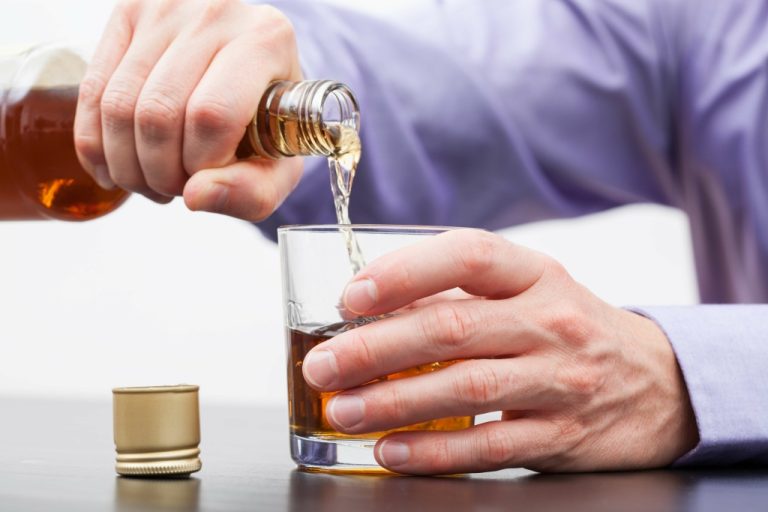
Domestic violence and addiction are inextricably linked, and both worsen over time. Despite denying or feeling shame, abusers persist in their destructive patterns, perpetuating a vicious cycle of suffering. Although this guilt is not about what they have done, they will feel bothered about the possibility of being caught in the long run and being allowed to face the consequences for their abusive behavior.
At Discovery Institute in Marlboro, NJ, our treatment approach recognizes that alcohol and family violence often intertwine in complex ways. We provide trauma-informed care that addresses the underlying issues contributing to both problems, helping individuals and families break harmful cycles. Dual diagnosis support programs specifically target the intertwined nature of addiction and trauma, providing tailored therapies and resources. Survivors who have access to these services report better outcomes, as comprehensive care enables them to address multiple layers of their experience. Fear of retaliation, stigma around addiction, and financial dependence can delay or prevent survivors from seeking help.
Of note, IPV also occurs in lesbian, gay, bisexual and transgender (LGBT) relationships. Diagnostic criteria of SUD are stronger correlates of IPV than consumption patterns alone (Cafferky et al., 2018). IPV-EW are more likely than non IPV-EW to transition from misuse to SUD and have greater SUD symptom severity (Liebschutz et al., 2002; La Flair et al., 2012; Hobkirk et al., 2015). Estimates of 24%–75% (Paone et al., 1992; El-Bassel et al., 2000; Beijer et al., 2018) of women report lifetime IPV exposure at SUD treatment intake. Similarly, the prevalence of SUD in IPV-EW is greater than in the general population (Schneider et al., 2009; Smith et al., 2012; Stone and Rothman, 2019).